

Real vs. Imitation Gemstones: How to Tell the Difference
If you have shopped for gemstone beads, you have probably seen terms like natural, dyed, synthetic, and imitation. They are not all the same thing, and "fake" is not always the right word. This guide explains the categories, shows what to look for in a strand of beads, and lists good questions to ask before you buy.
The Four Categories, Explained
- Natural (untreated): A stone formed in the earth and only cut, shaped, drilled, and polished into beads.
- Natural, treated or enhanced: A real stone that has been changed to improve color or clarity, for example by heating, dyeing, or stabilizing. Many popular stones are treated, and it is a widely accepted practice when it is disclosed.
- Lab-created (synthetic): Made in a lab with the same basic chemistry and structure as the natural stone. It is real in composition, but not mined.
- Imitation (simulant): A different material made to look like a gemstone, such as glass, plastic, or a cheaper stone sold under a more valuable stone's name.
The honest question is not just "is it real?" but "what exactly is it, and was that explained to me?"
Common Treatments You Will Run Into
- Heat treatment: Used on stones such as citrine, amethyst, and tanzanite to improve or change color.
- Dyeing: Common on stones with a porous or fractured structure, such as howlite, agate, and jade. Dyed agate in bright colors is very common.
- Stabilizing: Soft or crumbly stones such as turquoise are sometimes treated with resin to make them durable enough to drill and wear.
- Reconstituted stone: Stone dust or small fragments pressed together with a binder and shaped into beads.
Stones That Are Often Imitated
Some stones are imitated more than others. Turquoise is frequently imitated with dyed howlite or magnesite. Lapis lazuli can be imitated with dyed jasper or glass. Amber is imitated with pressed amber or plastic. Coral, jade, and malachite also have common look-alikes. If a price seems far below what you would expect for that stone, it is worth asking what the bead is made of.
What to Look For When Examining Beads
No single test is perfect, but these clues can help:
- Color that is too perfect. Natural stone usually has variation in color and pattern from bead to bead. Beads that are all identical and very bright may be dyed or man-made.
- Color pooling at the drill hole. On dyed stones, dye often collects in the hole or in tiny cracks. Look closely with a magnifier.
- Bubbles or swirl marks. Tiny round air bubbles inside a bead often point to glass.
- Weight and feel. Real stone usually feels heavier and stays cool to the touch longer than plastic or glass of the same size. Plastic feels light and warms up quickly.
- Natural inclusions. Small internal marks, veils, or mineral flecks are normal in natural stone. They are often a good sign, not a flaw.
- Surface and edges. Glass and plastic can show mold lines or a slightly "too smooth" look, while stone is cut and polished and may show tiny tool marks.
A note on home tests: Methods like scratching, acetone, or hot-needle tests can damage your beads, and they are not reliable on their own. The only way to be certain about a stone's identity and treatments is a gem lab report. For most bead projects, a clear description from the seller is the practical answer.
Questions to Ask Before You Buy
- What is the bead made of: natural stone, treated stone, lab-created, or glass?
- Has it been dyed, heated, or stabilized?
- Is the color natural?
- Does the listing name the actual stone, or only a trade name or color?
Trade names like "Tibetan turquoise" or "sea sediment jasper" can describe a look and not a mineral, so it helps to ask what the material really is.
Imitation Is Not Always Bad
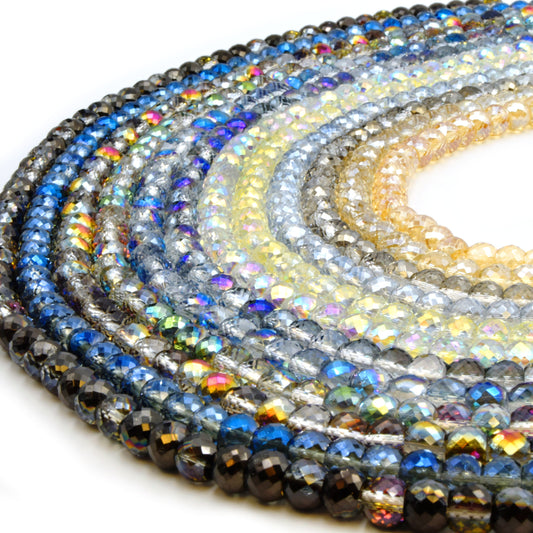
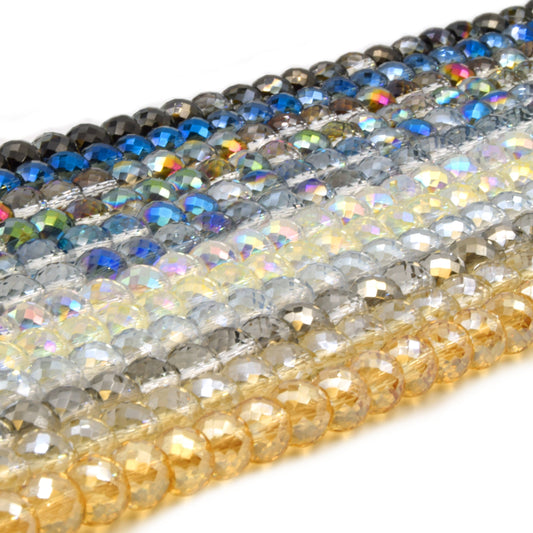
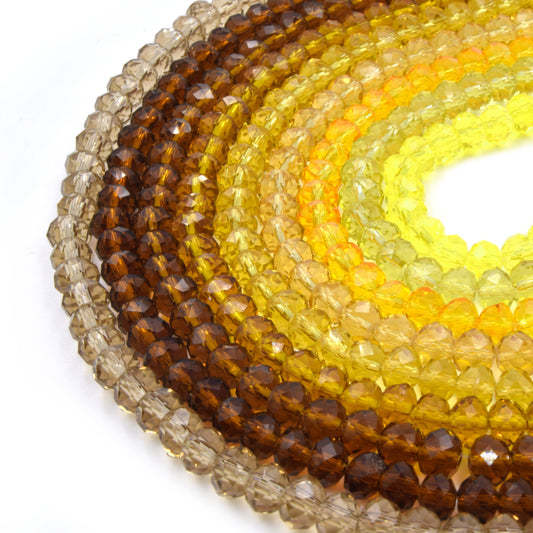
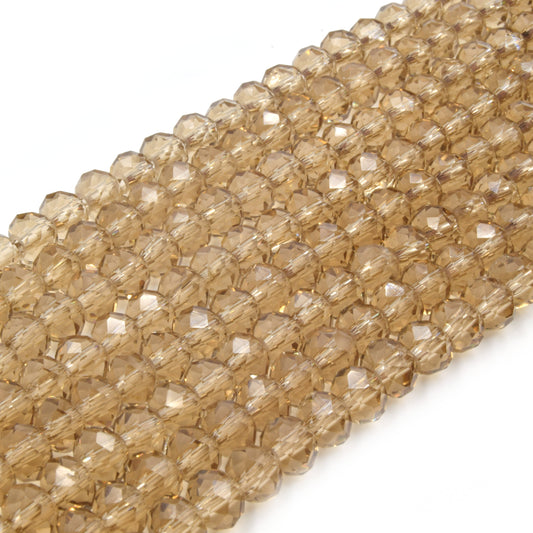
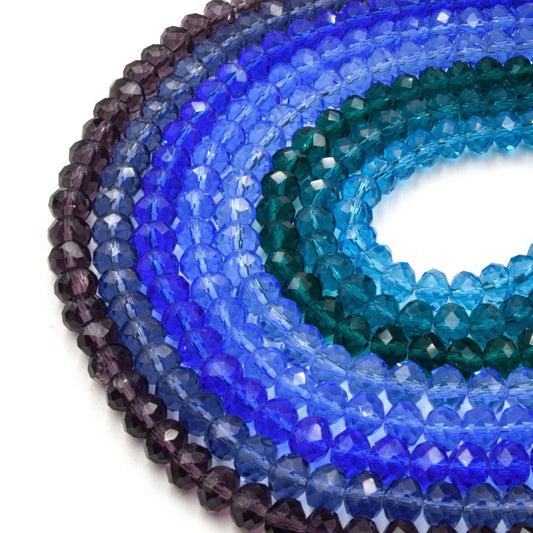
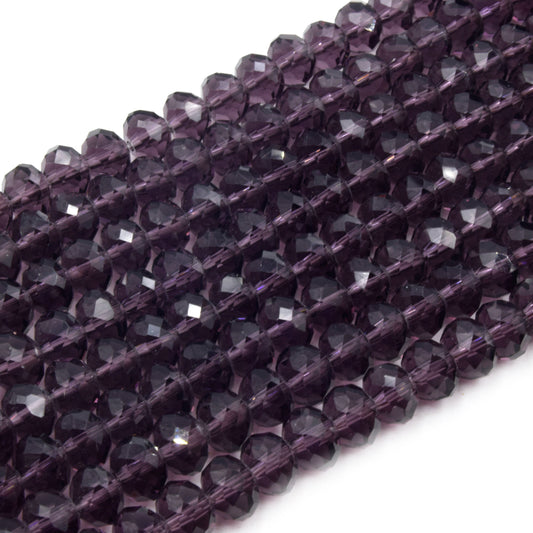
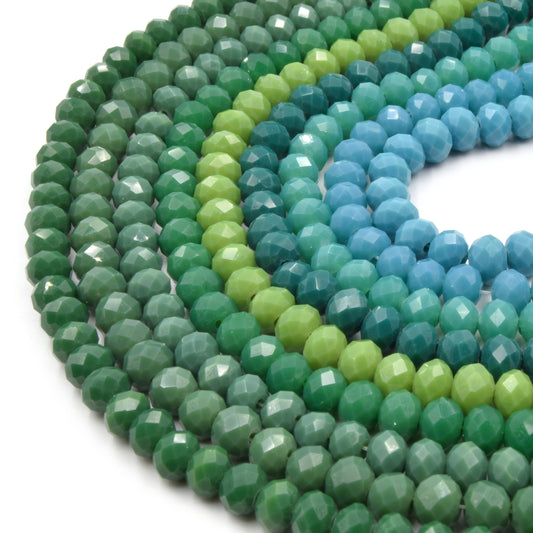
Imitation or man-made beads have their place. Glass beads offer bright, consistent colors, and they are affordable, which makes them great for practice pieces, large projects, and bold designs. The problem is only when a bead is sold as something it is not. Browse our glass and vinyl beads if you want color and variety, and our gemstone beads when you want natural stone.
Why It Matters for Your Jewelry
Knowing what you are working with affects how you care for it. Dyed stones can fade or rub color onto skin and thread, soft stones need gentler handling, and glass can chip. Our gemstone bead guide covers stone types, shapes, and sizes, and our gemstone meanings and birthstones by month guide helps you pick stones that fit your style.
Have Questions About a Stone?
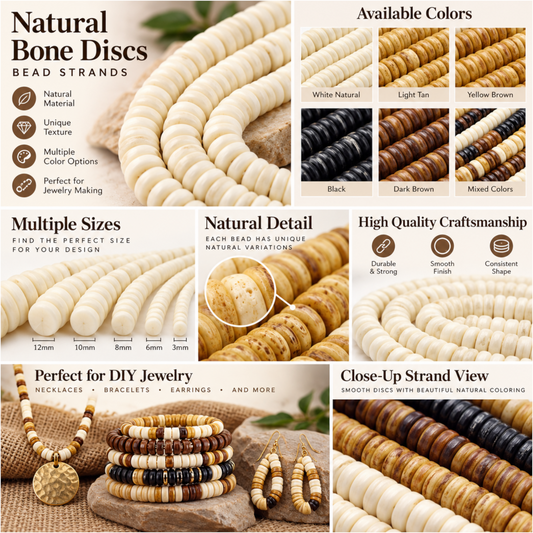
If you are unsure about a particular stone or strand, stop by the shop or reach out, and we will help you understand what you are looking at. You can also pair natural stones with our ox bone beads, or follow our step-by-step necklace guide to start a new project.
Tags:
Related articles

-
Oct 22 2026